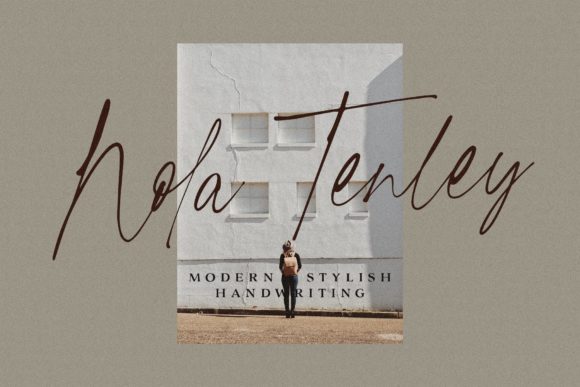
Maelleye: A Script Handwritten Font for Editorial Elegance
As a publisher and editorial designer who crafts newsletters, digital magazines, and branded printables for creators, I’ve tested dozens of script fonts—many too ornate, some too fragile for real-world use. Maelleye stands apart: a Script Handwritten font that balances simplicity, flow, and adaptability without sacrificing legibility or tone. Its gentle curves and open spacing make it ideal for projects where warmth and intention matter—whether you’re designing a seasonal newsletter, an ebook cover, or a client-facing workbook. Unlike decorative scripts that vanish at small sizes or overwhelm layouts, Maelleye performs consistently across formats and audiences.
Maelleye for Blog Headers and Digital Magazine Covers
When readers scroll past dozens of articles in a feed or skim a digital magazine homepage, typography sets the first impression—and Maelleye delivers quiet authority. As a Script Handwritten font, it introduces personality without shouting. Use it for blog post headers (at 36–48px) over clean sans serif body text like Inter or Lora—this pairing creates instant hierarchy while preserving readability on mobile. For digital magazine covers, set Maelleye as your title font at 60–72px with generous letter-spacing; its flowing rhythm guides the eye naturally from left to right, reinforcing editorial pacing. It works especially well for lifestyle, wellness, and slow-living publications where authenticity and calm are part of the brand voice.
Maelleye for Ebook Titles and Chapter Openers
In ebooks—especially those sold directly to readers—cover typography is your silent salesperson. Maelleye excels here not because it’s flashy, but because it feels human and intentional. As a Script Handwritten font, it signals care in craft, aligning perfectly with nonfiction guides, coaching workbooks, and recipe collections. Pair it with a warm serif like Merriweather for body copy, and use Maelleye only for titles, chapter headings, and section dividers—not long paragraphs. Its open counters and balanced x-height ensure clarity even in PDF exports viewed on tablets or e-ink readers. Bonus: because Maelleye is designed for adaptability, it scales gracefully from cover banners to thumbnail previews on retail platforms.
Maelleye for Newsletter Graphics and Quote Layouts
Newsletters thrive on visual breathing room and emotional resonance—and Maelleye makes both effortless. As a Script Handwritten font, it transforms pull quotes into moments of pause and emphasis. Try setting a short quote in Maelleye at 28–32px over a light background, then anchor it with a thin rule or subtle icon. For lead magnets like printable planners or reflection worksheets, use Maelleye for headers (“Your Weekly Intention,” “Gratitude Space”) while keeping body instructions in a highly readable sans serif. This contrast supports scannability without diluting warmth. On email clients, test rendering across iOS Mail, Gmail, and Outlook—the Maelleye file includes standard OpenType features compatible with most web-safe embedding workflows.
Maelleye for Wedding Guides and Elegant Branding
Creative professionals building niche digital products—like wedding planning checklists, vow-writing workbooks, or floral design templates—need a Script Handwritten font that feels personal but never cloying. Maelleye fits precisely: its fluidity suggests handwritten notes, yet its structure ensures polish. Use it for cover lines (“A Thoughtful Guide to Your Wedding Day”), divider pages (“The Ceremony Timeline”), and even subtle watermark accents in printable PDFs. When paired with a refined serif like Playfair Display or a minimalist sans like Poppins, Maelleye becomes part of a cohesive brand language—not just decoration. And because it’s a commercial Fonts license, you can embed it confidently in client deliverables, paid templates, and downloadable assets.
Maelleye for Printable Planners and Creative Workbooks
If you design printable planners, habit trackers, or journaling prompts, typography shapes how users engage with your content. Maelleye invites interaction: its soft entry strokes and rhythmic flow make blank spaces feel inviting rather than intimidating. As a Script Handwritten font, it works best for labels (“Today’s Focus,” “What Brought Joy?”), decorative borders, and title pages—not dense text blocks. Print tests confirm it holds up well on uncoated paper at 18–24pt, with no ink bleed or loss of detail. For multi-page workbooks, apply Maelleye consistently to section headers and use a neutral sans serif (like Montserrat Light) for instructions and checkboxes—this keeps cognitive load low while maintaining visual charm.
Maelleye Font Pairing Strategies for Editorial Design
Successful Fonts usage isn’t about isolation—it’s about context. Maelleye shines when paired intentionally. For editorial layouts, pair it with a high-legibility serif (e.g., Crimson Pro or PT Serif) for body copy and captions. For modern digital-first brands, combine Maelleye with a geometric sans (like Manrope or IBM Plex Sans) for navigation, footers, and data points. Avoid pairing with other scripts or overly decorative display fonts—Maelleye’s strength is its quiet confidence, not competition. Also verify that your Maelleye package includes standard ligatures and alternate characters; these subtle refinements elevate professionalism in headlines and logos without extra effort.
Maelleye Licensing for Commercial Fonts Projects
Whether you’re selling an ebook on Gumroad, licensing a planner template on Etsy, or designing a branded newsletter for a coaching business, licensing matters. Maelleye is a premium Fonts asset with clear commercial terms: one license covers unlimited use in your own digital products, client work, and print-on-demand items—as long as the font isn’t redistributed standalone. That means you can embed Maelleye in PDFs, use it in Canva templates you sell, and apply it across social media graphics and email headers without restriction. Just remember: always check the included documentation for multilingual support (Latin-based languages are fully covered) and export best practices for web use.